Should I Get a Tutor for GCSE?
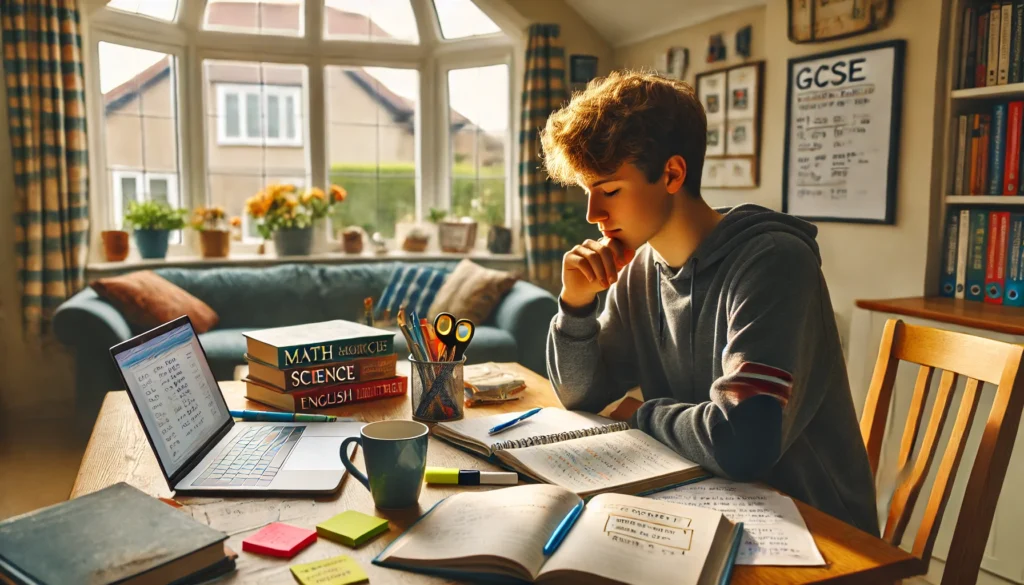
Preparing for GCSE exams can feel overwhelming, whether you’re aiming for top grades or just hoping to pass the core subjects. Many students and their parents wonder if getting a tutor is the right move.
The short answer? It depends on your current performance, confidence levels, and study habits. This guide explains when a GCSE tutor can make a difference, what benefits they offer, and how to decide if it’s the right step for you.
When to Consider Getting a GCSE Tutor
A tutor isn’t just for students who are “failing.” Many families look for extra help when:
- Certain topics or subjects feel harder to understand.
- Confidence in learning is low.
- Coursework or homework is regularly falling behind.
- Exam technique or revision strategy needs improving.
- Higher grades are needed for sixth form, college, or a career goal — especially in Maths and English.
More on recognising the right time here: Explore Learning.
Benefits of Having a GCSE Tutor
1. Personalised Lessons
Unlike a classroom setting, a tutor can adjust lessons to match your pace and focus on areas where you need the most help.
2. Better Understanding of Difficult Topics
Struggling with algebra or Shakespeare? A tutor can explain concepts in a different way until they click. This is especially helpful for core subjects like Maths, English, or foreign languages.
3. Improved Exam Skills
GCSE exams aren’t just about knowledge; they require strategy. Tutors can teach time management, question analysis, and how to structure answers effectively.
4. Confidence Boost
Many students feel stressed about GCSEs. A tutor can help break down the workload, making revision feel more manageable and building confidence over time.
5. Stronger Revision Habits
Tutors often teach revision techniques and organisational skills that students can carry forward into A-levels, university, and beyond.
How to Choose the Right GCSE Tutor
When looking for a tutor, consider:
- Experience with the latest GCSE syllabus.
- Teaching style that matches how you learn best.
- Subject knowledge, especially in Maths and English, where minimum grades are often essential for further study.
📍 Find tips on selecting the right tutor from The Tutor Team.
Why Some Families Choose Online Tutoring
Online tutoring offers flexibility and comfort. You can learn from home, fit sessions around your schedule, and still get one-to-one support without distractions.
See more benefits in Sage Education’s guide.
When to Start Tutoring
Early support is usually more effective than last-minute cramming. Starting as soon as issues appear gives you more time to improve before exams.
📌 Detailed advice here: JPW Tutors.
Final Thoughts
You might not need a tutor if you’re confident, keeping up with work, and already hitting your predicted grades. But if you want extra support, tailored lessons, or a boost in confidence, a GCSE tutor can be a wise investment in both academic results and long-term learning skills.
FAQs About GCSE Tutoring
Many students have one or two sessions per week, but it depends on your goals and timetable.
Absolutely. Tutors can help you build a revision plan, teach exam techniques, and test your knowledge.
Yes — targeted help can make a big difference, especially in core subjects like Maths or English.